
Lifting Clamp Finder
[woof]
Lifting Clamps
REFINE YOUR RESULTS
Filter Lifting Clamps
Select any combination below, then apply the filters.
Showing all 14 results
- View Item
- View Item
- View Item
- View Item
- View Item
- View Item
- View Item
- View Item
- View Item
- View Item
- View Item
- View Item
- View Item
- View Item
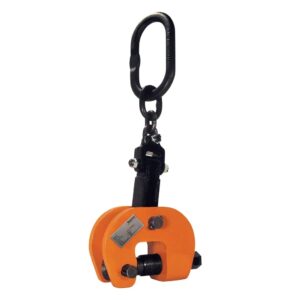
Plate Lifting Clamps (Vertical & Horizontal) — Engineering Reference & Buyer’s Guide
Slings Unlimited supplies industrial steel plate lifting clamps engineered for structural steel fabricators, shipyards, service centers, and machine shops. Compliant with ASME B30.20 (Below-the-Hook Lifting Devices), our locking screw clamps, vertical locking plate clamps, and horizontal plate clamps deliver positive cam-jaw gripping on carbon and alloy steel plates.
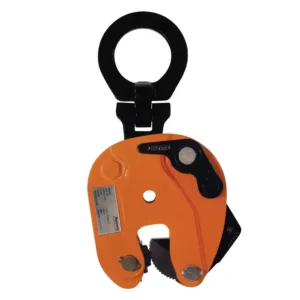
0°–180° Vertical Locking Screw Clamps
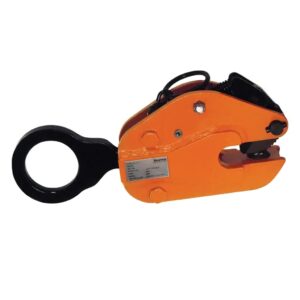
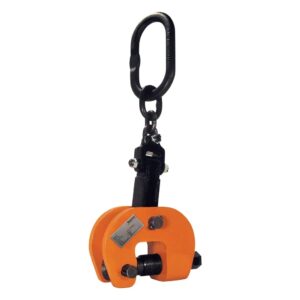
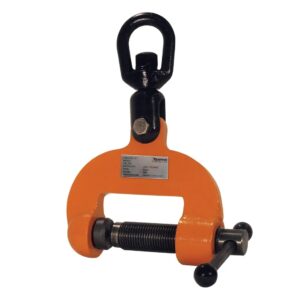
Equipped with a dual-cam pivoting shackle and heavy-duty locking screw, allowing operators to lift steel plate from horizontal to vertical and turn it through a full 180° arc.
Spring-Loaded Safety Lock Vertical Clamps
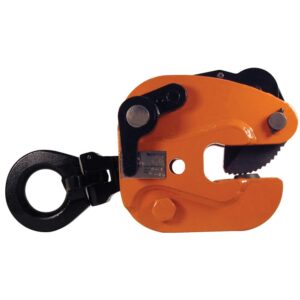
A positive spring-loaded latch preloads the serrated gripping cam onto the plate before the crane takes tension, ensuring the clamp cannot release accidentally when the plate is set down.
Horizontal Plate Clamps (Used in Pairs)
Designed for transporting flat steel plates and sheets horizontally using a 2-leg or 4-leg chain or wire rope bridle at a 60° to 90° sling angle.
| Capacity Rating | Lifting Angle Range | Clamp Style | Typical Plate Grip Range | Primary Application |
|---|---|---|---|---|
| 0.5 Ton (1,000 lbs) | 0°–180° / Vertical | Locking Screw & Vertical Cam | 0" – 3/4" | Light sheet, gussets & fabrication tables |
| 1.0 Ton (2,000 lbs) | 0°–180° / Vertical | Locking Screw & Vertical Cam | 0" – 3/4" | General plate handling & press brake loading |
| 1.5 Ton (3,000 lbs) | 0°–90° / Horizontal | Horizontal & Vertical Clamp | 0" – 1" | Horizontal sheet & structural plate transport |
| 2.0 Ton (4,000 lbs) | 0°–180° / Vertical | Heavy-Duty Locking Clamp | 0" – 1-1/4" | Structural steel beams & plate turning |
| 3.0 Ton (6,000 lbs) | 0°–180° / Vertical | Heavy-Duty Locking Clamp | 0" – 1-1/2" | Heavy fab shop & burn-table plate handling |
| 6.0 – 12.0 Tons | 0°–90° / Horizontal | Heavy-Duty Plate Clamps | 0" – 2"+ | Heavy mill plate & shipyard subassemblies |
Capacity Charts, Inspection Guides & Related Rigging Categories
- Grade 100 2-Leg & 4-Leg Chain Bridles ->
- Wire Rope Bridle Slings ->
- Crosby & CM Rigging Shackles ->
- Slings Unlimited Resource & Learning Center ->
Frequently Asked Questions
Can a vertical plate lifting clamp lift more than one steel plate at a time?
No. Vertical plate clamps are engineered to grip a single steel plate at a time. Lifting multiple stacked plates in a vertical clamp can allow the inner plates to slip out of the cam jaws. Use horizontal clamps in pairs or a basket sling for stacked bundles.
Is there a minimum plate weight required for vertical locking plate clamps?
Yes. Most cam-action vertical plate clamps require a minimum load of at least 10% to 20% of the clamp’s rated Working Load Limit so the cam jaw develops full gripping bite into the steel surface.
What maximum surface hardness can standard steel plate clamps grip?
Standard serrated steel cam jaws are rated for carbon and low-alloy steel plates with a surface hardness up to approximately 300 HB (32 HRC). Hardened wear plates (such as AR400/AR500) or polished stainless steel require specialized clamps.
When should I use two plate clamps on a spreader beam or 2-leg bridle?
Use two clamps suspended from a 2-leg chain or wire rope bridle (at a 60° or steeper sling angle) or a spreader bar whenever lifting long, flexible plates over 8–10 feet to prevent plate sag and side-loading on a single clamp bail.
How often should plate lifting clamp cams and pivot pins be inspected?
Per ASME B30.20, operators must visually inspect the cam teeth, swivel jaw pad, locking spring, and body before every shift for chipped teeth, cracks, or jaw spread, and perform a documented periodic inspection at least annually.
Lifting Clamps
Plate clamps are specialized tools designed for lifting, moving, and handling heavy metal plates, sheets, or similar flat materials safely and efficiently. Plate clamps grip steel plates securely, allowing cranes, hoists, or other lifting equipment to move them from one location to another. An example would be from a storage area to a workbench or assembly line. Lifting clamps can be used vertically or horizontally. They provide a firm, non-slip grip on smooth or heavy surfaces. This reduces the risk of dropping the load, which could damage materials or injure workers. They are available in several models. The most popular are Renfroe locking type screw clamps and locking clamps.
Plate Lifting Clamps (Vertical & Horizontal) — Engineering Reference & Buyer’s Guide
Slings Unlimited supplies industrial steel plate lifting clamps engineered for structural steel fabricators, shipyards, service centers, and machine shops. Compliant with ASME B30.20 (Below-the-Hook Lifting Devices), our locking screw clamps, vertical locking plate clamps, and horizontal plate clamps deliver positive cam-jaw gripping on carbon and alloy steel plates.
0°–180° Vertical Locking Screw Clamps
Equipped with a dual-cam pivoting shackle and heavy-duty locking screw, allowing operators to lift steel plate from horizontal to vertical and turn it through a full 180° arc.
Spring-Loaded Safety Lock Vertical Clamps
A positive spring-loaded latch preloads the serrated gripping cam onto the plate before the crane takes tension, ensuring the clamp cannot release accidentally when the plate is set down.
Horizontal Plate Clamps (Used in Pairs)
Designed for transporting flat steel plates and sheets horizontally using a 2-leg or 4-leg chain or wire rope bridle at a 60° to 90° sling angle.
| Capacity Rating | Lifting Angle Range | Clamp Style | Typical Plate Grip Range | Primary Application |
|---|---|---|---|---|
| 0.5 Ton (1,000 lbs) | 0°–180° / Vertical | Locking Screw & Vertical Cam | 0" – 3/4" | Light sheet, gussets & fabrication tables |
| 1.0 Ton (2,000 lbs) | 0°–180° / Vertical | Locking Screw & Vertical Cam | 0" – 3/4" | General plate handling & press brake loading |
| 1.5 Ton (3,000 lbs) | 0°–90° / Horizontal | Horizontal & Vertical Clamp | 0" – 1" | Horizontal sheet & structural plate transport |
| 2.0 Ton (4,000 lbs) | 0°–180° / Vertical | Heavy-Duty Locking Clamp | 0" – 1-1/4" | Structural steel beams & plate turning |
| 3.0 Ton (6,000 lbs) | 0°–180° / Vertical | Heavy-Duty Locking Clamp | 0" – 1-1/2" | Heavy fab shop & burn-table plate handling |
| 6.0 – 12.0 Tons | 0°–90° / Horizontal | Heavy-Duty Plate Clamps | 0" – 2"+ | Heavy mill plate & shipyard subassemblies |
Capacity Charts, Inspection Guides & Related Rigging Categories
- Grade 100 2-Leg & 4-Leg Chain Bridles ->
- Wire Rope Bridle Slings ->
- Crosby & CM Rigging Shackles ->
- Slings Unlimited Resource & Learning Center ->
Frequently Asked Questions
Can a vertical plate lifting clamp lift more than one steel plate at a time?
No. Vertical plate clamps are engineered to grip a single steel plate at a time. Lifting multiple stacked plates in a vertical clamp can allow the inner plates to slip out of the cam jaws. Use horizontal clamps in pairs or a basket sling for stacked bundles.
Is there a minimum plate weight required for vertical locking plate clamps?
Yes. Most cam-action vertical plate clamps require a minimum load of at least 10% to 20% of the clamp’s rated Working Load Limit so the cam jaw develops full gripping bite into the steel surface.
What maximum surface hardness can standard steel plate clamps grip?
Standard serrated steel cam jaws are rated for carbon and low-alloy steel plates with a surface hardness up to approximately 300 HB (32 HRC). Hardened wear plates (such as AR400/AR500) or polished stainless steel require specialized clamps.
When should I use two plate clamps on a spreader beam or 2-leg bridle?
Use two clamps suspended from a 2-leg chain or wire rope bridle (at a 60° or steeper sling angle) or a spreader bar whenever lifting long, flexible plates over 8–10 feet to prevent plate sag and side-loading on a single clamp bail.
How often should plate lifting clamp cams and pivot pins be inspected?
Per ASME B30.20, operators must visually inspect the cam teeth, swivel jaw pad, locking spring, and body before every shift for chipped teeth, cracks, or jaw spread, and perform a documented periodic inspection at least annually.


